
Geopolitical rifts intensify and reshape gold pricing logic: analysis of Trump’s hard-line statement on Ukraine
- February 21, 2025
- Posted by: Macro Global Markets
- Category: News
Recalibration of risk premium: political game boosts the strategic value of gold
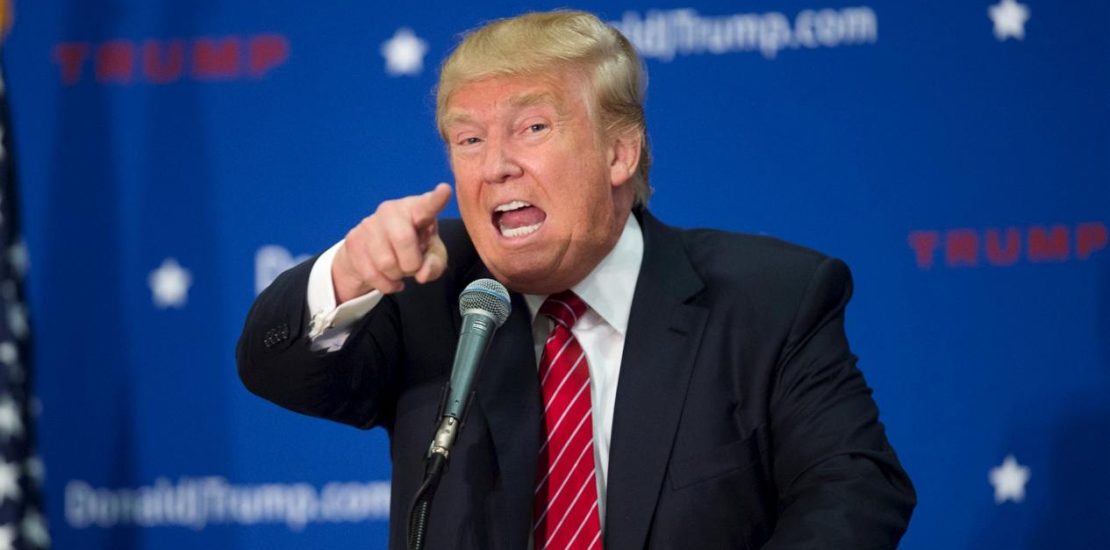
Former US President Trump launched a sharp accusation against Ukrainian President Zelensky through social media on February 20, calling him an “unelected dictator” and demanding that he take urgent action. This remark not only intensified the diplomatic conflict between the United States and Ukraine, but also triggered a systematic reassessment of the geopolitical risk premium of Eastern Europe by global capital. As a non-sovereign credit anchor, the political weight in the price formation mechanism of gold is being accelerated by the market.
The escalation of conflict narratives catalyzes the risk aversion transmission mechanism
The long-distance confrontation between Trump and Zelensky reflects a triple game pattern: First, the vacillation of the US policy towards Ukraine during the election cycle has exacerbated the decision-making cracks within NATO and shaken the credibility of the West’s collective security commitments; second, the public opinion war on the attribution of responsibility for the Russian-Ukrainian war highlights the complexity of the proxy conflict between major powers and prolongs the geopolitical uncertainty cycle; third, Russia’s information warfare strategy has successfully penetrated the Western political discourse system and weakened the information coordination defense line of the traditional alliance. Such structural contradictions force institutional investors to re-evaluate the hedging effectiveness of gold in their asset portfolios, and its monetary attributes as the ultimate means of payment have been strategically strengthened.
The dual-track pricing logic of gold in the crisis evolution
No matter where the situation in Eastern Europe goes, gold has a path of value revaluation: if the intensification of the US-Ukraine conflict leads to a reduction in Western military aid, the risk of the collapse of Ukraine’s defense system will directly boost the demand for safe-haven assets; if Trump releases a signal of easing tensions with Russia, the market’s expectations for the repair of the energy supply chain may temporarily suppress gold prices, but the concerns about the reconstruction of the global order caused by the US strategic contraction will form a more lasting support. This dual-track mechanism means that gold is transforming from a cyclical asset to a structural strategic asset.
Conclusion: The Road to Peace and the Prospects of Gold Prices
Trump’s remarks are by no means an isolated incident, but an inevitable product of the global power transfer period. When the game between major powers enters a new form of “narrative war”, information fog and policy mutations will become the norm in the market. In this context, as a hard currency that crosses the ideological gap, the center of its price volatility may permanently move upward, marking that global capital has officially entered the era of “risk pricing 3.0”.
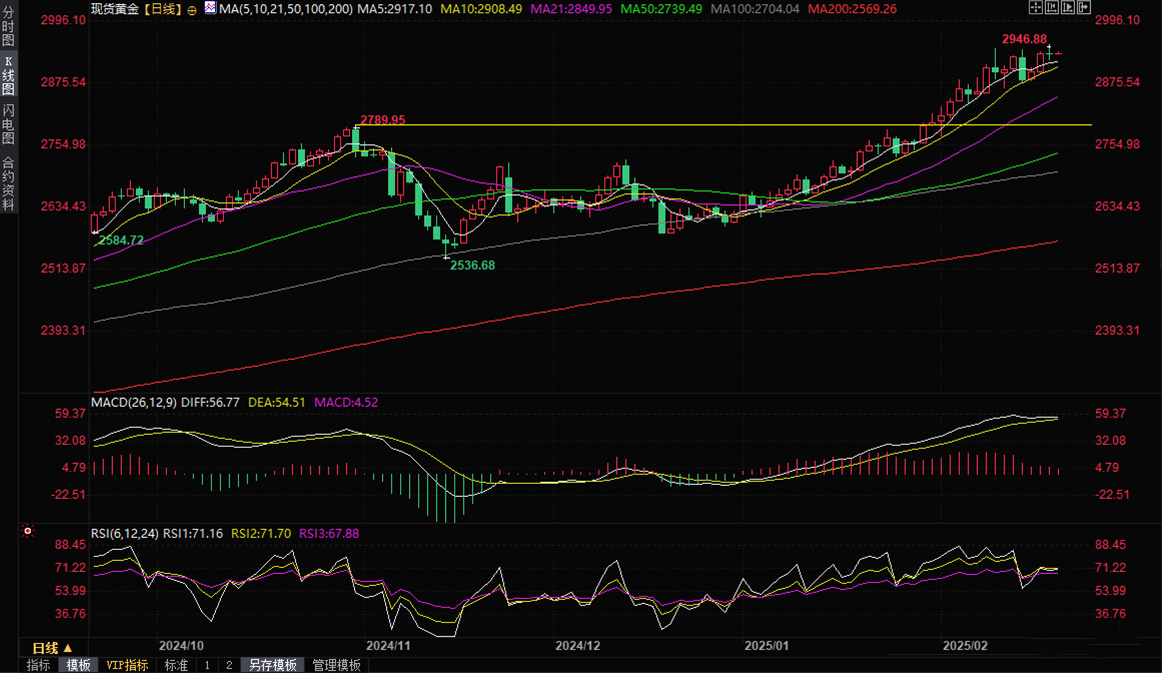
As the situation between Russia and Ukraine forms a superimposed shock, gold’s monetary attributes and safe-haven function will continue to be stress-tested. Due to the dynamics between Russia and Ukraine and the substantial adjustment of the US policy toward Ukraine, any signal that weakens the West’s commitment to collective security will become a catalyst for gold to break through the psychological barrier of $3,000 per ounce.



 English
  Chinese
  Vietnamese