
Geopolitical risks and policy games resonate, gold prices fluctuate at high levels and then retreat after hitting a record high
- February 24, 2025
- Posted by: Macro Global Markets
- Category: News
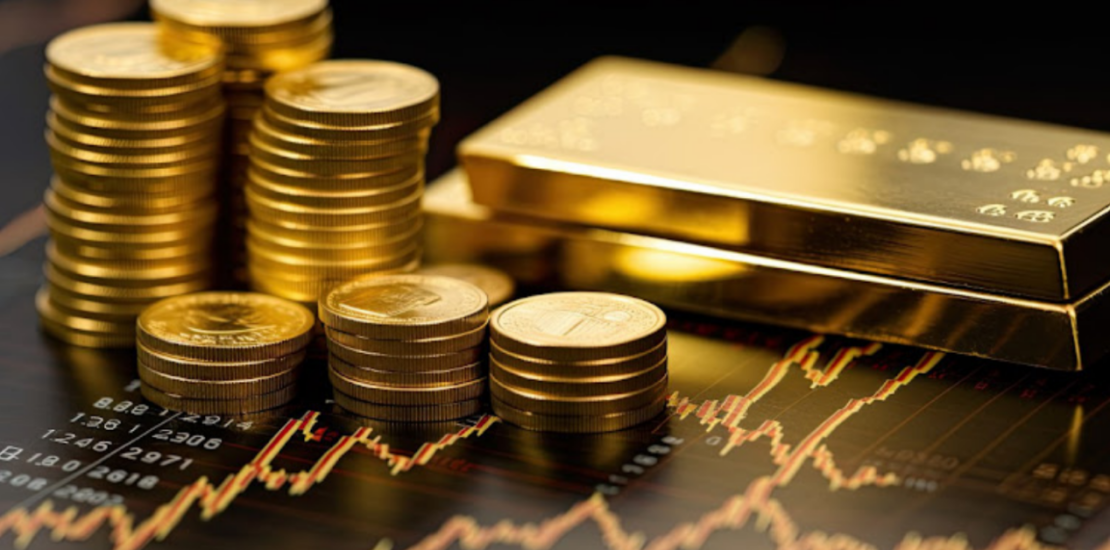
On February 21, 2025, the international gold market continued to fluctuate violently. The spot gold price in London fell below $2,930/ounce in the Asian session, down nearly 1.5% from the historical high of $2,954.72 set on the previous trading day, and then stabilized at around $2,940.
Behind this fluctuation, multiple factors are intertwined: US President Trump’s threat to impose a 60% tariff on China continues to ferment, and the risk premium of the global trade war is injected into gold pricing; the divergence of the Federal Reserve’s monetary policy path has intensified, and the rebound of the US dollar index has suppressed the rise in gold prices; although the geopolitical situation has shown signs of easing, the Red Sea shipping crisis and the conflict in the Middle East still lay the groundwork for uncertainty in the market.
Safe-haven demand and policy expectations struggle
On February 19, the Trump administration announced that it would implement a “reciprocal tariff” policy from April 1, aiming at the negotiation process of the China-EU trade agreement. This move has caused market concerns about the disruption of the global supply chain, and the open interest of COMEX gold futures has surged to 520,000 lots, a record high.
Although the US CPI growth rate in January exceeded expectations by 3% year-on-year, Chicago Fed Chairman Goolsbee released a signal of a 50 basis point interest rate cut this year, which is in sharp contrast to Powell’s position of “maintaining restrictive policies”. Federal funds rate futures show that the probability of a rate cut in June has risen to 78%, and the real interest rate (10-year TIPS) has fallen to an 11-month low of 1.62%. The opportunity cost advantage of holding gold is prominent.
The central bank’s gold purchases reshape the market structure
According to data from the World Gold Council, the global central bank’s net gold purchases in 2024 exceeded 1,000 tons for the second consecutive year, and emerging markets such as China and Poland led the “de-dollarization” process. In January 2025, the People’s Bank of China implemented a “step-by-step increase” strategy, purchasing 21 tons of gold in a single month, a surge of 162% from the monthly average in 2024.
This structural demand resonates with the rapid rise in gold inventories at the New York Mercantile Exchange (COMEX), triggering expectations of a run on the spot market. Based on this, Goldman Sachs raised its gold price forecast to $3,100 per ounce by the end of 2025, and UBS believes that if geopolitical risks intensify, gold prices may exceed $3,200.
“Black swan” hidden on the supply side, mineral risk premium rises
South Africa’s national power company Eskom announced the launch of level 6 power rationing, and the country’s gold production may be reduced by 12% (about 45 tons); the Russian government imposed a 15% temporary tariff on gold exports, affecting the global annual supply by 2.3%. Affected by this, the London Bullion Market Association (LBMA) gold forward rate premium widened to 0.8%, a new high since March 2020, showing tension in the spot market.
At the same time, the New York Mercantile Exchange’s gold inventory increased to 862 tons, an increase of 19% from the beginning of the year, and the futures and spot price spread widened to $12 per ounce, and arbitrage transactions exacerbated short-term volatility.
Market focus on the Fed’s interim meeting
On the evening of February 21, Beijing time, the Fed will hold an interim meeting to discuss the transmission mechanism of geopolitical risks to monetary policy. Investors can pay attention to this meeting. If the meeting sends a signal of ending the balance sheet reduction or adjusting the inflation target ahead of schedule, it may trigger a new round of gold price offensive.
In addition, the US January existing home sales data and the Eurozone consumer confidence index are also worth paying attention to. Weak data may strengthen expectations of easing. At present, gold has transformed from a single commodity to a composite pricing carrier of geopolitical risks, real interest rates and monetary credit, but we need to be vigilant about the key watershed of $2,920.
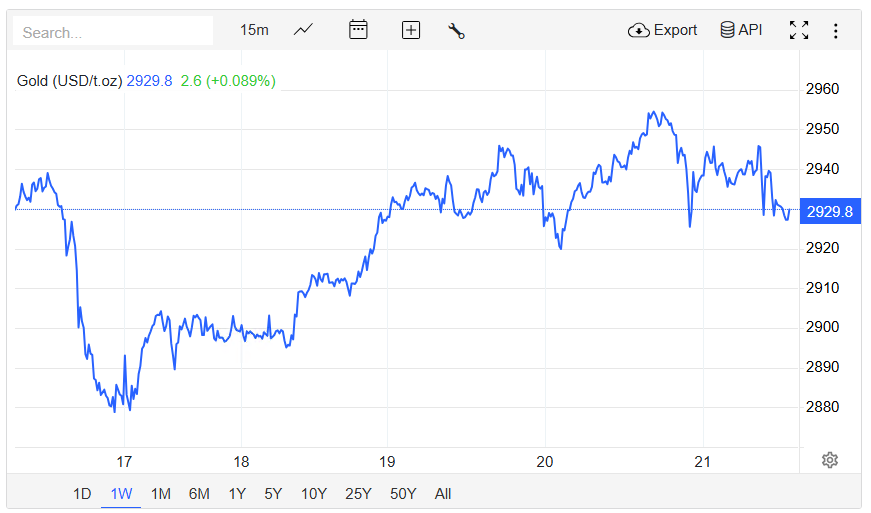
At 14:30 Beijing time, spot gold was quoted at $2,931.26 per ounce.




 English
  Chinese
  Vietnamese