
The escalation of the US Iran conflict: Trump airstrikes Iran’s nuclear facilities, putting the gold market in a geopolitical and policy dilemma
- June 23, 2025
- Posted by: Macro Global Markets
- Category: News

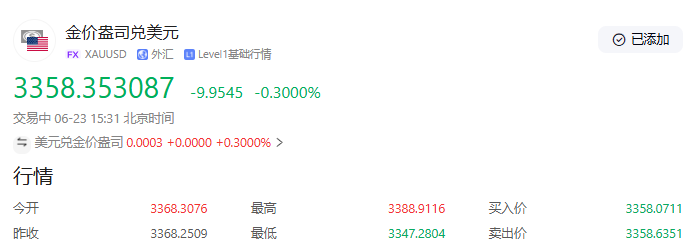
As of the morning session of June 23rd in the Asian market, gold spot prices opened short today. Stimulated by the news of the US airstrike on Iran’s nuclear facilities, the highest price reached 3388.91 US dollars per ounce during the session, and then fluctuated back to 3358.35 US dollars per ounce, with the lowest reaching 3347.28 US dollars per ounce.
1、 Event Review: Trump Orders Airstrikes, Escaping the Situation in the Middle East Out of Control
On June 21st local time, US President Trump announced on social media that the US military has launched airstrikes on three nuclear facilities in Iran, namely Fordo, Natanz, and Isfahan, using B-2 stealth bombers to drop 6 MOP ground penetrating missiles and 30 Tomahawk missiles, aiming to “completely eliminate Iran’s nuclear capabilities”. The Iranian Islamic Revolutionary Guard Corps subsequently launched the 15th phase of the “True Promise 3” operation, using missiles and drones to retaliate against Israeli and US military bases in the Middle East, but the accuracy and actual effectiveness of the attacks have not been verified by a third party.
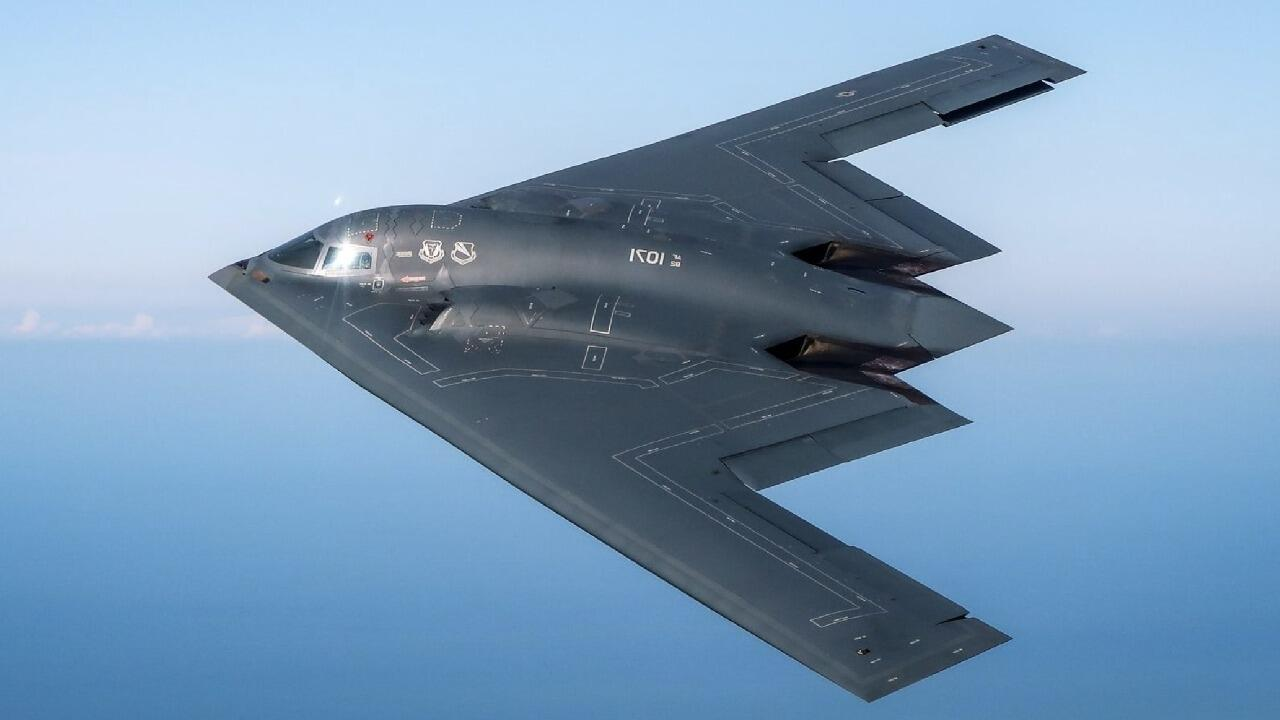
This conflict is a further escalation of the conflict between the two sides, following the large-scale exchange of fire between Israel and Iran in mid June. The Trump administration has previously deployed F-35 fighter jets and carrier strike groups to the Middle East, stating that “patience with Iran has been exhausted”. Analysts point out that if the conflict escalates into the Strait of Hormuz, about 20% of global oil transportation will face the risk of interruption, which could lead to soaring energy prices and supply chain crises.
2、 Gold market reaction: Risk aversion surges and falls, policy logic dominates direction
Despite the short-term market panic caused by US airstrikes, the price of gold failed to continue its upward trend, reflecting a game of multiple conflicting factors:
The geopolitical risk premium has been partially digested: the market’s “fatigue effect” on the Middle East conflict is significant, and investors are more concerned about the Fed’s policy path and the medium – to long-term impact of economic data on gold. For example, on June 20th, Federal Reserve Governor Waller stated that “if the threat of inflation subsides, interest rate cuts can be made as early as July,” but market expectations for the Fed to only cut interest rates by 0.25 percentage points this year still dominate.
The transmission effect of energy prices is limited: Iran’s threat to block the Strait of Hormuz may push up oil prices, but Brent crude oil only rose slightly by 0.5% to $78.3 per barrel, indicating limited market concerns about short-term energy supply disruptions. Barclays analysis suggests that if Iran’s oil exports were to halve, Brent crude could rise to $85 per barrel, but the current conflict has not yet reached this threshold.
3、 Key data and event foresight
Federal Reserve policy signal: The US May PCE data released on June 27th will become a key verification point. If the data exceeds expectations, it may strengthen the hawkish stance of the Federal Reserve and suppress the upward potential of gold; On the contrary, if inflation cools down and expectations of interest rate cuts rise, it will boost gold prices.
Geopolitical evolution: If Iran further escalates its retaliatory actions (such as blockading the Strait of Hormuz), it may trigger a surge in safe haven gold buying, but caution should be exercised against the risk of a reversal of “buying expectations, selling facts”.
The current gold market is at a critical point of the game between “geopolitical hedging” and “Federal Reserve policy”, and short-term fluctuations are difficult to avoid. However, in the medium to long term, global stagflation risks and geopolitical uncertainty still provide strategic allocation value for gold. Investors need to find a balance between risk and opportunity, and respond to complex and ever-changing market environments with dynamic strategies.




 English
  Chinese
  Vietnamese