
Trump’s tariff storm sweeps global markets: US stocks evaporate $4 trillion, gold market greatly affected
- March 12, 2025
- Posted by: Macro Global Markets
- Category: News
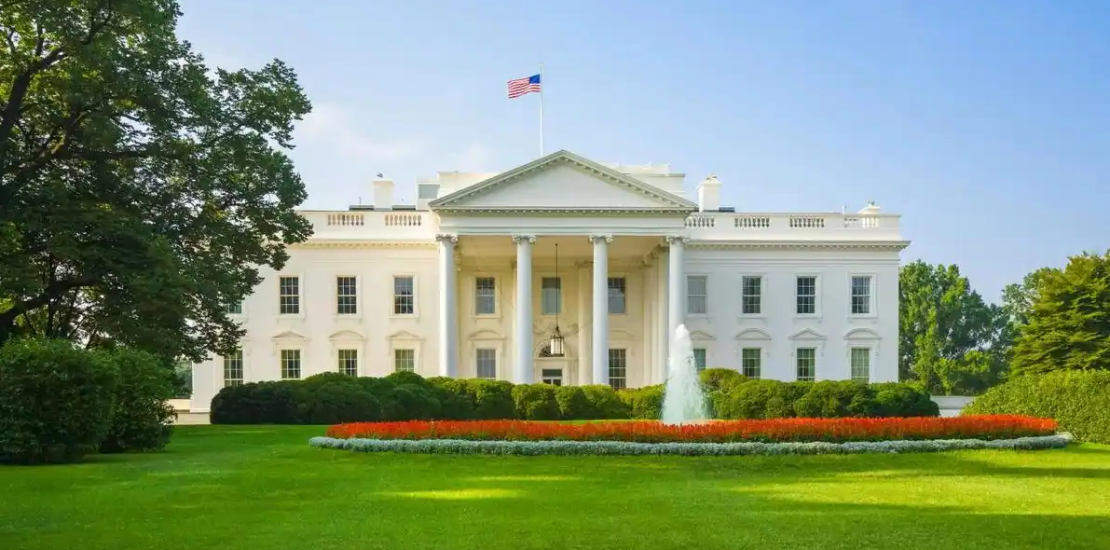
US stocks hit ‘Black Monday’, with tech stocks leading the decline and dragging down global markets
On March 10, 2025, the US stock market experienced the most severe volatility during Trump’s second term. The Dow Jones Industrial Average fell 890 points, a decrease of 2.08%; The S&P 500 index plummeted by 2.7%, with a daily market value evaporation of over $4 trillion; The Nasdaq Composite Index plummeted by 4%, marking its largest single day decline in two and a half years. Technology stocks have become the hardest hit areas, with Tesla’s market value evaporating by $130 billion overnight, and the “seven giants” such as Apple and Nvidia collectively falling by more than 4%.
This sharp decline marks the expansion of the correction range of the US stock market since its high point in December last year to 13%, officially entering the technical adjustment range. Goldman Sachs, JPMorgan Chase and other institutions have lowered their expectations for the US economy, and Morgan Stanley has warned that if the risk of an economic recession is realized, the S&P 500 index may further decline by 20%.
Tariff policy triggers’ triple shock ‘, casting a shadow of stagflation on the US economy
The Trump administration’s recent implementation of a 25% tariff on Canada and Mexico, coupled with tightening immigration policies, has caused global supply chain disruptions. Although the US non farm payroll data for February showed temporary resilience in the job market, the unemployment rate rose to 4.1%, hourly wage growth slowed to 3.1%, and the core PCE price index remained at a high of 3.8%, exacerbating market concerns about “stagflation”.
Canadian Prime Minister Trudeau strongly responded to the tariff measures, announcing the continuation of retaliatory tariffs and imposing a 25% tariff on electricity exports to the United States.
The European Commission predicts that US tariff policies may lead to a mid-term decline of 7% in global GDP, equivalent to the sum of the economies of France and Germany. Goldman Sachs has lowered its 2025 GDP growth forecast for the United States from 2.4% to 1.7% and warned that tariffs pushing up inflation may force the Federal Reserve to make a difficult choice between raising interest rates to curb inflation and lowering interest rates to stimulate the economy.
Gold is affected by multiple factors and has experienced a significant decline
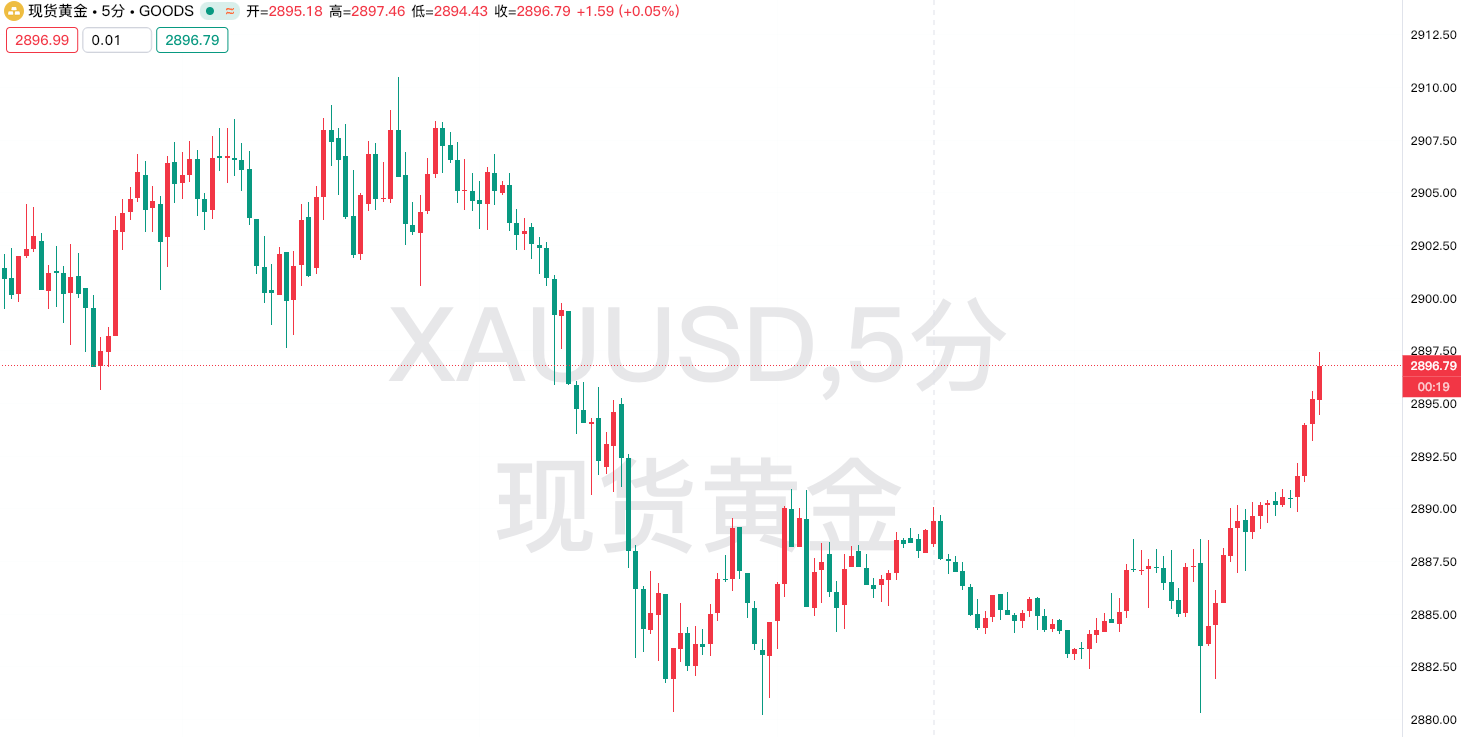
In such an economic and market environment, the gold market has been pulled by various factors. On March 11th, in the Asian market, spot gold operated weakly. Overnight gold prices fell 0.79%, falling below the 2900 mark and briefly hitting a near week low of $2880.19 per ounce during trading.
From a technical perspective, the gold price fell back yesterday due to resistance and once again fell below the medium and short-term moving averages, indicating an increase in bearish forces. On the daily trend, prices are slowly moving out of the narrow range of fluctuations in the early stage, and the short-term moving average is gradually diverging downwards, showing signs of weakness in the short-term trend. And it started to rise to around 2890 around 9 o’clock today, showing a rebound trend.
From the news perspective, on the one hand, the geopolitical situation such as Gaza and Russia Ukraine leaning towards ceasefire negotiations has further weakened the safe haven demand for gold, and on the other hand, Trump’s recent tariff policies have relatively eased, causing gold prices to decline after volatile fluctuations. On the other hand, market concerns about negative emotions such as a US economic recession are brewing, which may lead to an earlier expectation of interest rate cuts by the Federal Reserve, which in turn has a certain bullish outlook on gold prices.
Previously, Trump’s tariff policies and pessimistic market expectations for the economic outlook have heightened investors’ risk aversion, greatly increasing the attractiveness of gold as a traditional safe haven asset.
Conclusion
The turbulence in the US stock market and concerns about economic recession caused by Trump’s tariff policies are reshaping the global asset allocation pattern. As a traditional safe haven tool, gold highlights its value in short-term fluctuations, but its long-term trend still depends on the Federal Reserve’s policies and the global economic recovery process. In the future, investors need to closely monitor the direction of tariff policies, the Federal Reserve’s monetary policy, and global economic data, and be prepared to deal with high volatility.



 English
  Chinese
  Vietnamese